
Most people planning a Maldives trip spend weeks researching resorts, villa categories, and meal plans. The seaplane transfer gets about five minutes of thought and then catches people off guard on arrival. It is not complicated, but there are a few things about how it works that genuinely affect how the whole trip is planned, starting with the flight from India.
Here is everything worth knowing before the trip.
What Is a Seaplane Transfer in Maldives?
A seaplane is a small aircraft that takes off and lands on water. In the Maldives, it is the main way of reaching resorts in the outer atolls that sit too far from Male for a speedboat to be practical.
The cabin is small. Think a minibus with wings rather than a commercial aircraft. There is no cabin crew, no in-flight service, and luggage goes in the hold rather than overhead. What there is instead is low-altitude flying over some of the most extraordinary ocean scenery in the world. The view of the atolls from the air on the way to a resort is something people mention for years afterwards.
The seaplane operator is almost always arranged through the resort rather than booked independently. Most resort packages include the coordination as part of the arrival process.
How Does a Maldives Seaplane Transfer Work?
At the Terminal
After landing at Velana International Airport in Male, guests are directed to the seaplane terminal, which sits adjacent to the main airport. The process is more relaxed than a standard airport departure but does involve waiting, sometimes for an hour or more depending on the time of arrival and the transfer schedule.
The Flight
At the terminal, luggage is weighed and loaded separately from passengers. Boarding is a short walk across a pontoon to the aircraft. The flight to the resort typically takes between 20 and 45 minutes depending on which atoll the property sits on. Landing is on the water directly beside the resort jetty, where staff are usually waiting.
Arriving at the Resort
The return journey works the same way in reverse. The resort coordinates the outbound seaplane booking and provides a pickup time, usually with some buffer built in around the international departure.
Seaplane vs Speedboat Transfer: Which Is Better?
Both work well. The choice is usually determined by which atoll the resort sits in rather than personal preference.
Speedboat transfers serve resorts in North and South Male Atoll, which are close enough to the airport to make a boat transfer practical. Journey times run from 20 to 60 minutes. Speedboats operate around the clock, which means flight arrival time is not a constraint. They are also generally less expensive than seaplane transfers.
Seaplanes serve resorts in the outer atolls, where distances make speedboat travel impractical. The journey is shorter in elapsed time than the equivalent speedboat trip would be, and the view from the air is a genuine part of the Maldives experience rather than just a logistics step. The constraint is daylight, covered in more detail below.
For a broader look at planning the resort side of the trip, the water villa guide and the luxury resorts overview cover what to expect across different property types.
What to Expect on a Maldives Seaplane
The View
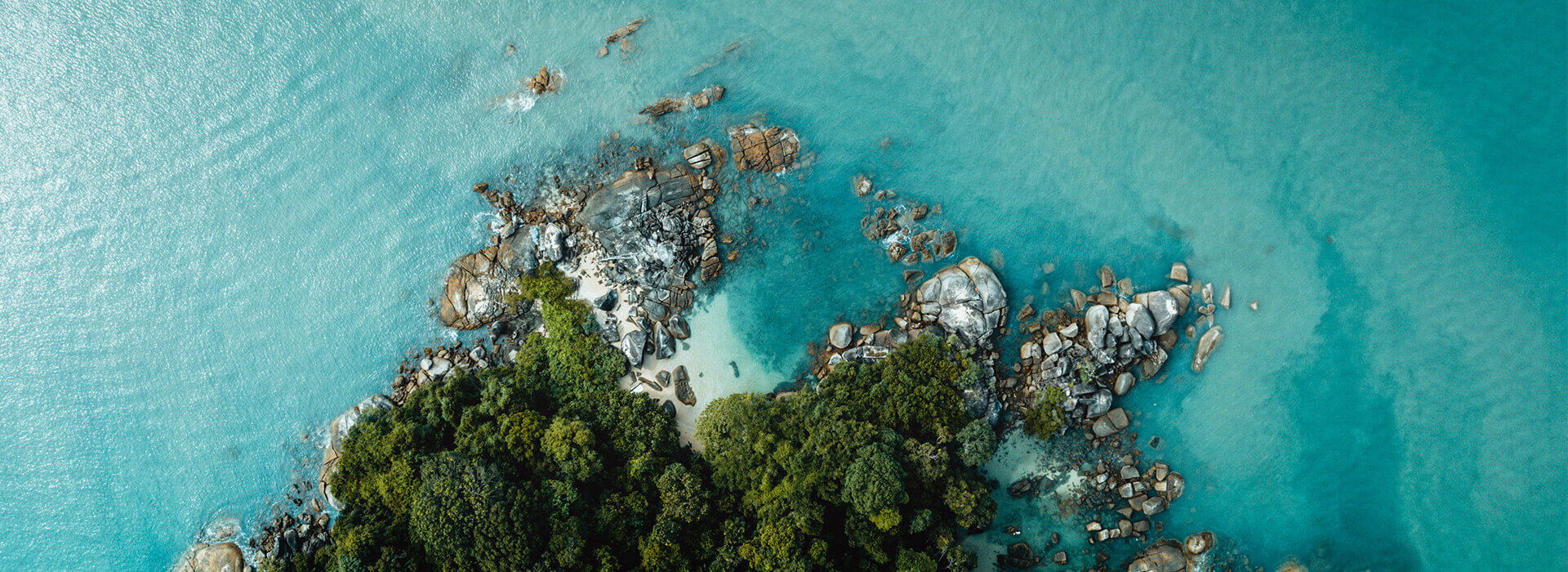
The aircraft is small. That is the first thing to adjust to. The windows are low enough that the view is directly sideways rather than down. On a clear day the colour of the water below is unlike anything visible from a commercial aircraft: turquoise over the shallows, deep navy over the open ocean, with the reef systems visible as darker patches beneath the surface. It is one of those rare cases where the transfer genuinely adds to the trip.
The Ride
The flight is smooth in good weather. Light turbulence is possible but nothing dramatic. It is louder than a commercial flight since the aircraft is smaller and you are closer to everything, so if noise bothers you, a pair of earphones or earplugs in the bag is a good idea.
Takeoff and landing feel different from a normal flight but not in a frightening way. The aircraft skims across the water before lifting, and landing is a smooth glide back down onto the surface. Most first-time passengers are surprised by how ordinary it feels once it is actually happening.
The whole experience runs to about 30 minutes of flying time for most transfers, plus time at the terminal and boarding. Total elapsed time from landing at Male to arriving at the resort is usually two to three hours for seaplane transfers.
Maldives Seaplane Luggage Rules
Weight and Bag Type
The standard soft luggage allowance on seaplane transfers is 20kg per person, including both check-in and carry-on combined. Only soft-sided bags are accepted. Hard shell suitcases cannot be loaded into the seaplane hold due to the shape of the storage compartment. If a hard case arrives at the terminal, the resort will usually arrange separate boat transfer for the luggage, but this adds time and cost.
Oversized items like surfboards, golf bags, and large equipment require advance arrangement with the resort and the seaplane operator. Packing light is not just a travel preference on this route; the weight and bag-type limits are real constraints that affect what can actually board the aircraft.
What to Keep With You
Carry-on items during the flight should be minimal. A small day bag with valuables, a camera, and essentials for the journey is sensible. Everything else goes in the hold.
Maldives Seaplane Timing and the Daylight Rule
Seaplanes in the Maldives only operate during daylight hours. This is not a preference or a policy that can be negotiated around. It is a safety requirement, and it has a direct knock-on effect on how the entire trip from India needs to be structured.
The Maldives sits close to the equator, which means daylight hours are fairly consistent year-round. Sunrise is around 6am and sunset around 6pm. Seaplane operations typically run from around 6:30am to 5:30pm.
Arrival Flights From India
For Indian travellers, this means the arrival flight from India needs to land at Male early enough to allow time for airport transit and the seaplane connection before the last departure of the day. Evening and late-night arrivals from India will result in an overnight stay in Male or at an airport transit hotel, with the seaplane connection the following morning. This is not a problem if it is planned for, but it catches a lot of people off guard when they book a cheap late-night flight without checking the seaplane schedule.
Departure Day
The same rule applies on departure. The resort will book an outbound seaplane that arrives at Male with enough time for the international flight. If the flight home is an early morning departure, the seaplane the previous afternoon is often the last viable connection. Worth confirming the logistics with the resort or travel agent before finalising the flight booking.
Tips for First-Time Seaplane Passengers
Ask for a window seat when confirming the transfer. The seaplane terminal staff can often accommodate this if the request is made early. The left or right side of the aircraft makes little difference on most routes since the atolls are visible from both sides, but a window seat versus a middle seat is significant given how low the aircraft flies.
Carry a camera or have a phone charged and accessible. The 20 to 30 minutes of flying time over the atolls is when most of the best aerial photographs of the Maldives get taken. It is also one of the few parts of the trip that is genuinely not replicable from the ground.
Do not pack anything critical in the hold luggage for the flight. Valuables, medication, and anything needed immediately on arrival should be in a small carry bag that stays in the cabin.
If the arrival flight to Male is delayed and the seaplane connection looks tight, contact the resort proactively. They deal with this regularly and can usually hold the last seaplane or arrange an alternative connection. Trying to rush through the terminal without communicating tends to create more problems than it solves.
Anyone with a strong fear of small aircraft or enclosed spaces should consider this before booking a seaplane-dependent resort. The aircraft is genuinely small, the flight is short, and most people are fine, but it is worth knowing in advance rather than discovering on the day of arrival.
Plan Your Maldives Trip
The seaplane transfer is one of those parts of a Maldives trip that sounds more complicated than it is. Once the daylight rule is understood and the luggage requirements are planned around, it tends to be one of the parts people enjoy most. Getting the flights from India timed correctly is the main thing to sort in advance, and that is where having the right travel support makes a difference.
Naladhu Private Island Maldives: Privacy, Space, and Quiet Luxury
If you’ve been scrolling through Maldives resorts and everything is starting to blur together, this page solves that problem. Naladhu Private Island Maldives is not trying to impress everyone. It’s built for travellers who want space, silence, and service that feels personal rather than polished. And yes, that difference matters more than most people realise. ...
This is not a resort for crowds or checklists. Naladhu Maldives resort is about slowing down, staying put, and letting the island work its quiet magic.
Naladhu Private Island Maldives – An Ultra-Luxury Boutique Escape
At its core, Naladhu Private Island Maldives is one of the smallest and most exclusive private island resorts in the country. Just a handful of houses. No towers. No rush. The mood is residential, almost private-home-like, but backed by five-star hospitality.
The design leans timeless rather than trendy. Whitewashed wood, open layouts, and soft ocean colours that don’t scream for attention. Service is deeply personalised. Every guest gets a house master who learns how you like your coffee, when you prefer meals, and whether you want interaction or complete privacy.
And that’s the real luxury here. Choice. Honestly, most people overthink luxury in the Maldives.
Where is Naladhu Private Island Maldives Located?
Naladhu Private Island sits in the South Malé Atoll, one of the most convenient yet serene regions of the Maldives. From Velana International Airport, the journey takes around 20 to 30 minutes by speedboat. Short transfer. Long exhale.
Despite being close to Malé, Naladhu island Maldives feels detached from everything. Calm lagoon waters surround the island, and the nearby reefs keep the ocean alive without being intrusive. You don’t hear traffic. You don’t see other islands unless you want to. And that balance is rare.
Ocean House & Beach House – Luxury Stays at Naladhu Maldives
Accommodation at Naladhu Maldives is intentionally simple in structure and exceptional in detail. There are only two categories. Ocean Pool Houses and Beach Pool Houses.
Ocean Pool Houses are set right on the lagoon. Direct water access. Expansive decks. Infinity pools that merge into the horizon. These houses feel like floating sanctuaries without the instability some overwater villas carry elsewhere.
Beach Pool Houses sit directly on the sand. Private gardens. Outdoor showers. Pools hidden behind greenery. Steps from your bed to your own stretch of beach.
Every house at Naladhu resort Maldives, comes with generous indoor space, oversized bathrooms, private pools, and a level of seclusion that larger resorts simply can’t offer. One house. One family. One rhythm.
A Maldives Paradise – Ocean Views, Lagoon Bliss & Private Beach Access
What defines Naladhu island is how quiet it feels. The lagoon is calm, almost meditative. Beaches remain uncrowded at all hours. Sunsets don’t compete for attention. You wake up to water. You fall asleep to water.
And the resort never forces experiences on you. No loud music. No scheduled hype. Just curated moments if and when you ask for them. This is the Maldives without distraction.
Who Should Book Naladhu Maldives Holidays?
Naladhu Private Island Maldives is ideal for couples who value privacy above variety. Honeymooners who want time, not itineraries. Wellness travellers who prefer subtle healing over loud retreats.
Families can stay here too, especially those travelling with older children. While Naladhu itself remains intimate, guests have full access to facilities at nearby sister resorts Anantara Dhigu and Anantara Veli. That includes kid’s clubs, larger pools, and dining variety.
But let’s be clear. This is not a party island. And that’s exactly why it works.
Signature Experiences at Naladhu Private Island Maldives
Snorkeling & Diving – Explore Naladhu’s Stunning Marine World
The reefs near Naladhu island Maldives offer healthy coral formations and frequent marine sightings. Snorkelling can be arranged directly from the island, while guided diving trips explore deeper sites nearby.
Expect reef fish, turtles, rays, and seasonal pelagic visitors. Nothing flashy. Just consistent, living underwater landscapes. And yes, the water clarity here is excellent most of the year.
Reimagined Luxury Dining – 24-Hour Breakfast, Private Dining & More
Naladhu’s approach to dining is refreshingly flexible. Breakfast is available 24 hours a day. Not a buffet. A real menu. Served wherever you choose. In your house. On the beach. By the pool.
Private chefs curate meals based on preference rather than fixed menus. Guests can also dine at restaurants across Anantara Dhigu and Veli, adding variety without losing intimacy. Food adapts to you here. Not the other way around.
Romance at Naladhu – Oceanfront Dining, Sunset Cruises & Couple Experiences
Romantic experiences at Naladhu Private Island are subtle and deeply personal. Sunset cruises with champagne. Candlelit dinners set up just for two. In-villa spa treatments timed around your schedule.
No announcements. No shared spaces. Just privacy. And yes, that makes all the difference.
Adventure & Water Sports – Jet Skiing, Sailing & Ocean Excursions
For guests who like movement between moments of stillness, Naladhu Maldives resort offers access to water sports and ocean excursions through its sister resorts. Jet skiing. Sailing. Surf sessions. Dolphin cruises. You choose the pace. Or skip it entirely.
Wellness & Spa – Rejuvenation with Tailored Treatments
Wellness at Naladhu island is personal, not programmed. Treatments focus on stress release, sleep improvement, and gentle restoration. Therapies can be enjoyed in-house or at nearby Anantara spas. And there’s no pressure to commit to packages (a relief, frankly).
Family Experiences – Access to Kid-Friendly Activities at Sister Resorts
While Naladhu itself remains calm and adult-oriented, families benefit from full access to Anantara Dhigu’s kids club and activity spaces. This allows parents to enjoy privacy while children stay engaged nearby. Best of both worlds.
How to Reach Naladhu Private Island Maldives?
Guests arriving at Velana International Airport are transferred by luxury speedboat directly to Naladhu Private Island Maldives. Transfers are coordinated with flight timings and handled by the resort team. Smooth. Quick. Seamless.
Frequently Asked Questions (FAQs)
1. How long is a seaplane transfer in Maldives?
Most transfers run between 20 and 45 minutes of flying time. Total time from landing at Male to resort arrival, including terminal time and boarding, is usually two to three hours.
2.Is seaplane transfer included in Maldives packages?
Depends on the package. Some include the seaplane transfer; others charge it separately. Always confirm what is and is not included before finalising the booking.
3. What is the luggage limit for a Maldives seaplane?
20kg per person combining check-in and carry-on. Only soft-sided bags are accepted. Hard shell suitcases cannot be loaded into the hold.
4. Can I request a window seat on a Maldives seaplane?
Yes. The privacy, direct ocean access, and overall experience make them one of the most unique stays in the world.
5. What happens if my flight arrives after dark?
Seaplanes do not operate after sunset. A late or night arrival at Male means an overnight stay before the seaplane connection the following morning.
Luxury packages may also include excursions or honeymoon inclusions.
6. Is a seaplane transfer scary?
For most people, no. The aircraft is small and the takeoff and landing feel different from a runway, but the flight is short and smooth in good weather.
7. What should I wear for a seaplane transfer?
Comfortable, lightweight clothing. The cabin can be warm, so layers for the terminal wait are useful but not necessary for the flight itself.
.
8. Seaplane vs speedboat: which should I choose?
The resort location usually decides this. Speedboats serve closer atolls and run at any hour. Seaplanes serve the outer atolls and are restricted to daylight. If given a choice, the seaplane offers a better experience; the speedboat is simpler to plan around.